You’ve crushed 200 LeetCode problems. You can recite system design patterns in your sleep. But when the Zoom recording starts and a senior engineer asks you to walk through your thought process, something still feels off.
That gap between knowing and performing under pressure is exactly what the best AI tools for technical interview prep are designed to close. But here’s the catch: not all AI interview tools are created equal, and some of them can actually get you disqualified if you use them at the wrong moment.
This guide covers six legitimate practice platforms — interviewing.io, Exponent, Karat, OphyAI, plus two others worth your time. It also draws a hard line between practice tools you should use every day and live copilot tools you should never bring into an actual interview unless the company explicitly says otherwise. Most guides gloss over that distinction. We’re not going to.
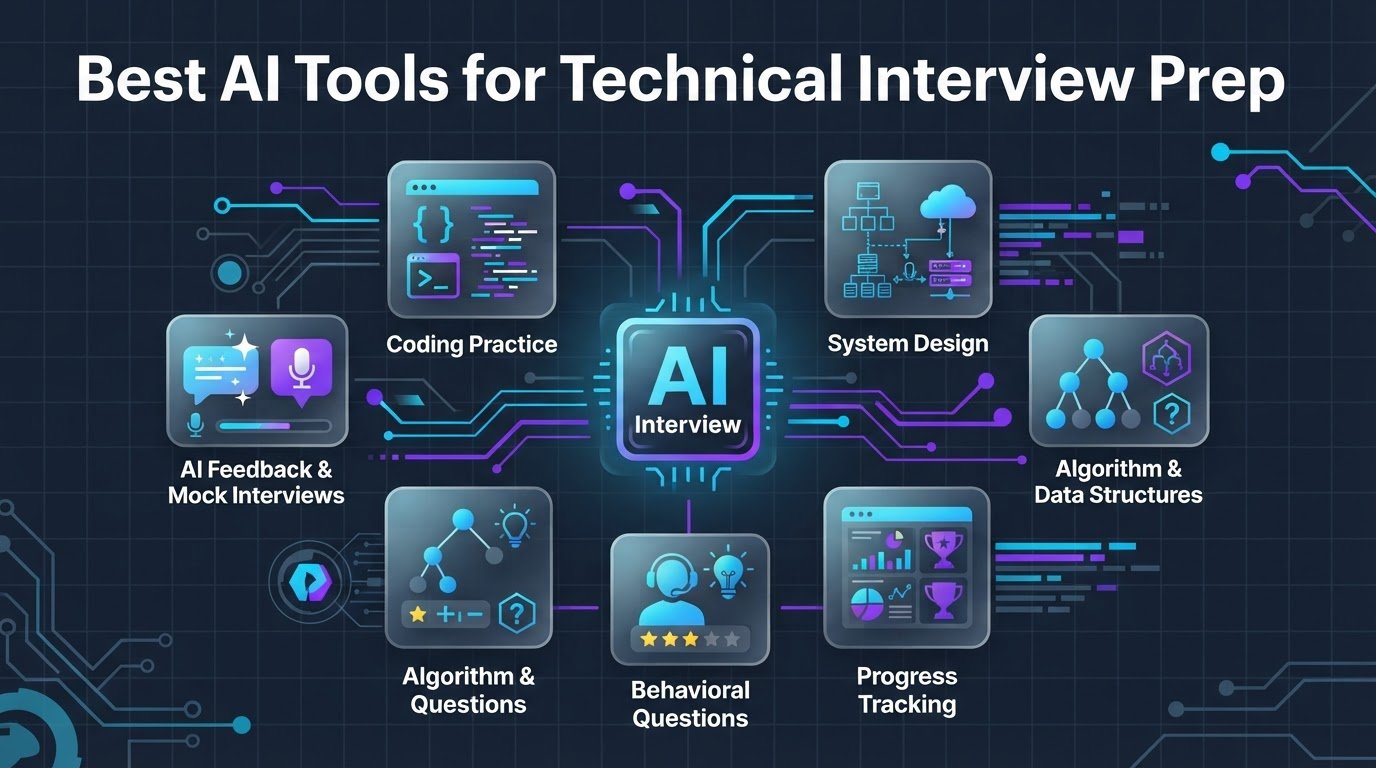
Explore the best AI tools for technical interview prep to compare leading options and find the right fit for your preparation needs.
What Are AI Tools for Technical Interview Preparation?
best ai tools for technical interview prep is AI-powered software that simulates coding, system design, and behavioral interview rounds — scoring your correctness, reasoning, and communication so you can practice under conditions that approximate a real engineering interview loop.
That’s the short version. The longer version is that these tools fall into three distinct buckets:
- AI mock interviewers — conversational agents that ask you questions, listen to your spoken answers, and grade you across multiple dimensions like communication, technical accuracy, and problem-solving approach.
- Coding practice with AI feedback — platforms that evaluate your code against test cases, analyze your approach, and sometimes suggest improvements.
- Live interview copilots — tools that sit alongside you during a real interview, offering real-time suggestions. These are controversial, and we’ll get to why.
Most candidates need the first two. The third one requires extreme caution.
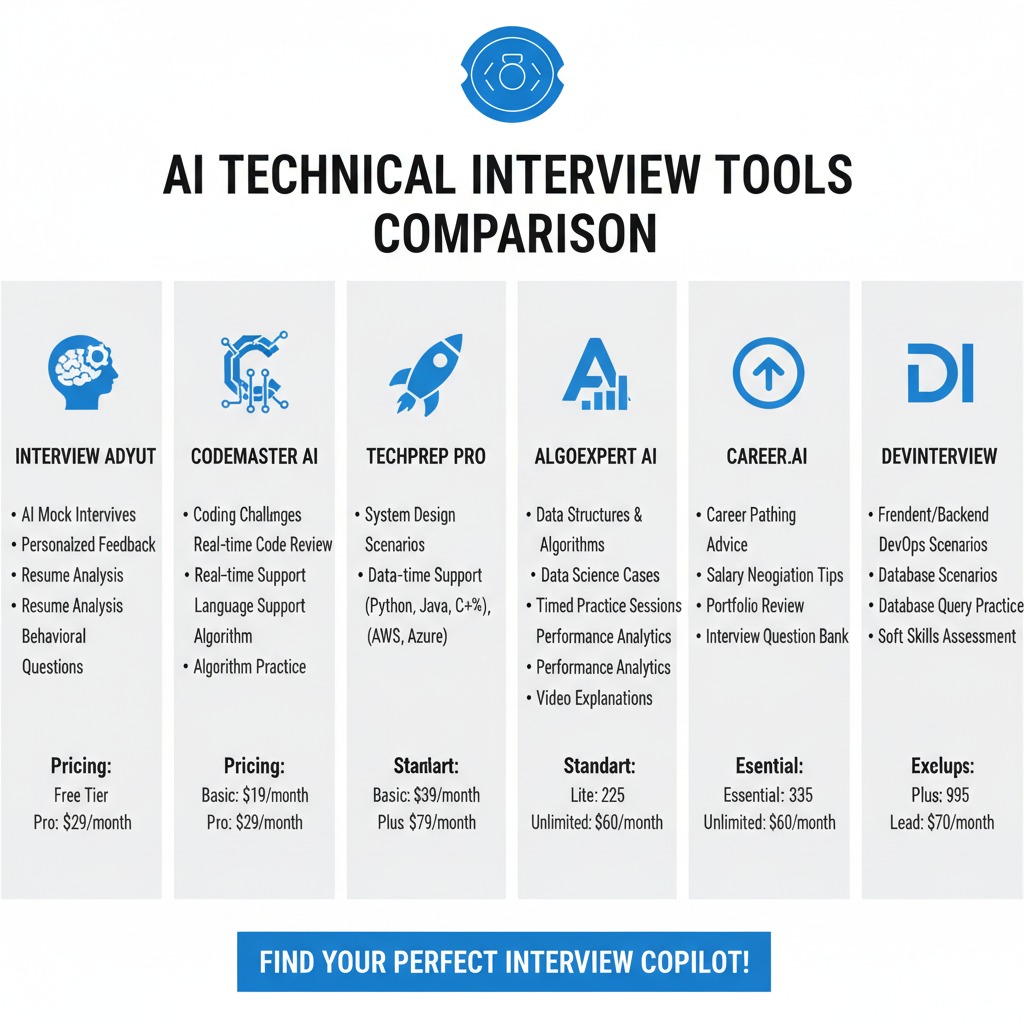
Quick Comparison: Top AI Technical Interview Tools (2026)
| Option | Best For | Key Benefit | Limitation |
| Interviewing.io | Live human mock interviews | Real FAANG engineers; free AI practice available | $179+ per human session |
| Exponent | Structured courses + peer mocks | Combines AI practice with peer feedback | $150/month |
| Karat | Enterprise-grade interview simulation | Human-led + AI-enabled format | Primarily B2B; candidate access varies |
| OphyAI | All-in-one practice + copilot | Bundles mock, coding, and live assistance | Copilot feature carries usage risk |
| Final Round AI | Dedicated interview simulation | Large question database; adaptive follow-ups | $150/month month-to-month |
| Google Interview Warmup | Zero-cost starting point | Free; no signup required | Limited technical depth |
The 2026 Reality: AI Is on Both Sides of the Table
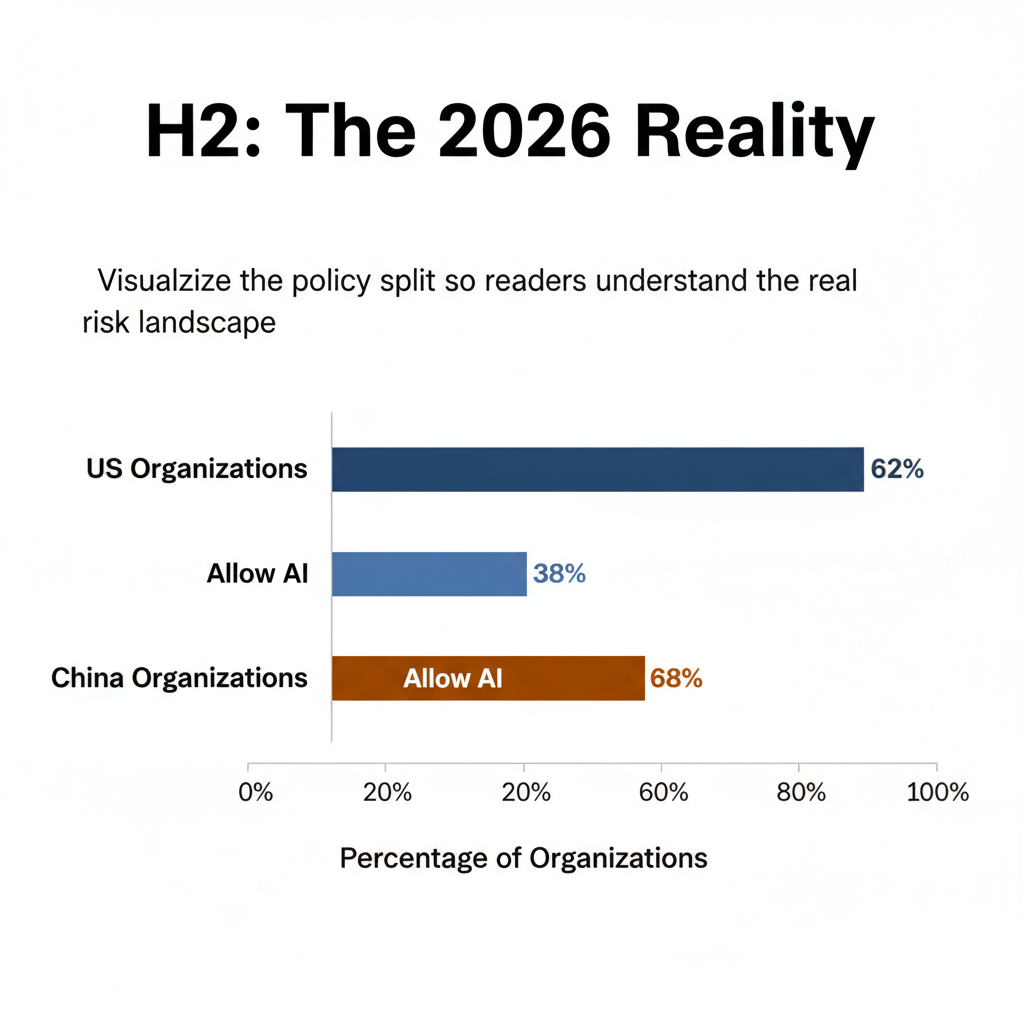
According to Karat’s January 2026 survey of 400 engineering leaders across the US, India, and China, 71% now say AI is making technical skills harder to assess — and company policies are splitting in response.
The numbers tell the story: 38% of US companies allow AI use in technical interviews versus 68% in China, while 62% of organizations still prohibit it entirely. Same survey: leaders estimate over half of candidates use AI anyway — even when they’ve been told not to.
That’s a problem. Because getting caught isn’t a slap on the wrist — it’s a disqualification.
Read our complete guide to technical interview prep AI and the latest AI interview policies candidates need to understand.
Tool Deep Dives
interviewing.io: Live Human Feedback With a Free AI Layer
interviewing.io connects you with anonymous senior engineers from Google, Meta, Amazon, Microsoft, and OpenAI for live mock interviews. The human sessions start at around $179 and go up from there.
What many candidates don’t realize is that interviewing.io also offers a free AI-powered mock interviewer with access to 200+ FAANG-style problems at no cost.
When to use it: Use the free AI sessions for high-volume repetition across several weeks. Then book one or two human calibration sessions in the two weeks before your actual interview. The human signal is what makes this platform unique — AI can grade your code, but it can’t replicate the pressure of a senior engineer asking an unscripted follow-up.
Discover more about AI mock coding interview platforms and how they compare for realistic technical interview practice.
Exponent: Structured Courses Meet Peer Practice
Exponent (which now incorporates Pramp’s peer mock interview functionality) focuses on software engineering, product management, and data science interviews. The platform combines AI-powered practice with peer mock interviews, video courses, and structured study paths.
At $150/month, it’s not cheap. But if you’re preparing for a PM or engineering management role where behavioral and product-sense questions matter as much as coding, Exponent’s frameworks are genuinely useful.
One limitation: Peer practice quality depends on who you’re matched with. An AI interviewer is consistent. A peer might be great — or they might be nervous and distracted.
Karat: The Enterprise Standard
Karat pioneered the human-led, AI-enabled technical interview format. Their Karat NextGen platform gives candidates an integrated AI assistant during interviews while live interview engineers discuss approaches, probe understanding, and reveal genuine engineering skills rather than scripted answers.
Karat is primarily a B2B product — companies hire Karat to conduct interviews for them. But candidates preparing for Karat-conducted interviews benefit from understanding the scoring rubric: communication quality and problem-solving approach matter as much as the final code.
Learn how to use technical interview prep AI effectively to prepare for Karat-style technical interviews.
OphyAI: The All-in-One Bundler
OphyAI bundles four pillars of interview prep into one platform: AI mock interviews, question banks with STAR coaching, technical/system design practice, and a real-time AI copilot for live calls.
The mock interview feature simulates a real spoken interview, asks role-specific questions grounded in your actual resume, and scores you across Communication, Technical, Problem Solving, and Confidence.
Pricing starts at $29/month with free credits to start. The coding interview tool (a separate Premium product) uses vision-based screenshot analysis to read your actual code during practice sessions on platforms like LeetCode, CoderPad, or HackerRank.
Important caveat: OphyAI includes a live copilot feature. That’s useful for practice. Using it during an actual interview is a different conversation — one that carries real risk.
The Critical Distinction: Practice Tools vs. Live Copilots
This is where most guides get fuzzy. Let’s be explicit.
- Practice tools (AI mock interviewers, coding feedback platforms, system design simulators) are safe. Use them as much as you want. They’re tutors. They help you build skill.
- Live copilot tools — the ones that sit in your browser during a real interview, suggesting answers in real time — are a completely different category. They carry a real disqualification risk that most candidates underestimate.
Check out our guide on coding interview AI feedback and the key ethical and policy considerations surrounding AI-assisted interview preparation.
Here’s what the policy landscape actually looks like as of mid-2026:
- ~40% of companies prohibit AI in technical interviews entirely. They want to see raw, unaugmented problem-solving ability.
- ~25% allow AI with disclosure — mirroring how their teams actually work.
- ~15% explicitly encourage AI use — these tend to be AI-native companies who view AI collaboration as a core competency.
- ~20% have no explicit policy — which means every interview becomes an awkward improvisation.
The big-tech standardized loops (Google, Meta, Amazon) still run live algorithmic rounds with AI disabled. CoderPad, HackerRank, and CodeSignal have added “AI-off” modes that disable Copilot-style completions, and most companies turn them on for the live round.
What most guides skip
Some companies explicitly prohibit AI assistance during interviews — and detection can disqualify a candidate entirely. Datadog’s policy states that if you’re found using AI-based tools during interviews where it’s not permitted, “it may result in your application being disqualified.” Match Group’s policy is similarly clear: “Using unauthorized AI tools during the interview process violates our policy.”
See our breakdown of the best tool for FAANG interview prep and the strategies that can help you prepare for demanding technical interviews.
So here’s the practical rule: Reserve copilot tools for practice only. Use AI to prepare before the interview. Do not use it during the interview unless the company has explicitly told you it’s allowed.
I’ve seen conflicting data on whether interviewers can technically detect a copilot. Some sources say they can’t see it unless you share your screen or use a monitored device. Others say proctoring has caught up — pasted blocks, suspicious timing, and tab-switching patterns are red flags. The most defensible read: don’t test it. The upside is minimal. The downside is losing an offer you’ve worked months to earn.
How to Prepare for a Technical Interview With AI
To [prepare for a technical interview with AI, follow these steps:
- [Practice timed coding problems with feedback] using a platform that evaluates your code against test cases and explains where you went wrong.
- [Run at least one system design mock] — talking through architecture decisions out loud is different from drawing them on a whiteboard alone.
- [Verbalize your reasoning out loud] during every practice session. The skill being tested isn’t just whether you can solve the problem — it’s whether you can communicate your thinking clearly.
- [Get a live human mock for realism] — AI feedback on code correctness still lags human judgment on nuanced reasoning. One or two human sessions before a high-stakes interview are worth the investment.
- [Review weak areas from AI feedback reports] — don’t just grind more problems. Target your specific gaps.
Voice Search / AEO Q&A
Q: Can AI tools grade my coding interview answers accurately?
A: They’re useful for structure and correctness on standard problems, but human review remains stronger for nuanced reasoning.
Q: Is it safe to use an AI copilot during a real technical interview?
A: No — many companies prohibit it, and getting flagged can cost you the offer; reserve copilot tools for practice only.
Q: What’s the best free technical interview prep resource?
A: Google Interview Warmup offers a zero-cost starting point with no signup required. interviewing.io also offers a free AI mock interviewer.
Q: Should I practice system design separately from coding?
A: Yes — system design requires different practice, often with diagram review, that pure coding tools don’t provide.
Q: How many technical mock interviews should I do before a FAANG interview?
A: Many candidates aim for 5 to 15 sessions across AI and human mocks combined before feeling interview-ready.
What AI Still Can’t Do for You
This is the part that matters more than any tool comparison. AI can grade your code, simulate an interviewer, and give you feedback on your communication. But there are three things it still can’t replace:
- Unscripted follow-up pressure. A human interviewer can ask a question you didn’t expect, in a tone that throws you off. AI follows patterns. Humans break them.
- Judgment about tradeoffs. AI can tell you whether a solution works. It can’t tell you whether it’s the right solution for this specific problem, in this specific context, given these specific constraints.
- The “vibe” check. Interviewers are evaluating whether they want to work with you. That’s a human judgment, not an algorithmic one.
Learn more about AI technical interview simulator tools and how their feedback compares with human interview evaluation.
A contrarian take: Some candidates over-index on AI practice and under-index on human mocks because AI tools are cheaper and more convenient. That’s a mistake. AI is great for volume. Humans are essential for calibration. The optimal stack uses both — AI for the reps, humans for the dress rehearsal.
Building Your Prep Stack: A Practical Framework
Here’s a framework that works for most software engineers targeting FAANG or equivalent roles:
| Phase | Tools | Frequency | Goal |
| Foundation | Google Interview Warmup, LeetCode | Daily, 30-60 min | Build pattern recognition |
| Volume practice | interviewing.io free AI, OphyAI mocks | 3-5 sessions/week | High-volume repetition with feedback |
| System design | System design-specific AI tools | 2-3 sessions/week | Practice architecture discussions |
| Calibration | interviewing.io human mock | 1-2 sessions total | Realistic pressure test |
| Final week | Review feedback reports | Daily | Target weak areas |
This isn’t a one-size-fits-all prescription. But it’s a starting point that balances volume and realism — and it keeps you firmly in the “safe practice” category without touching live copilot tools.
The Bottom Line
The best AI tools for technical interview prep are the ones that give you honest, actionable feedback on your coding, your system design reasoning, and your communication — without creating a false sense of security about what you can get away with during a real interview.
Use AI to prepare. Use humans to calibrate. And never, ever assume that a live copilot is acceptable unless the company has told you in writing that it is.
Most candidates who fail technical interviews don’t fail because they didn’t know the material. They fail because they couldn’t perform under pressure. AI practice tools are uniquely good at closing that gap — if you use them the right way.