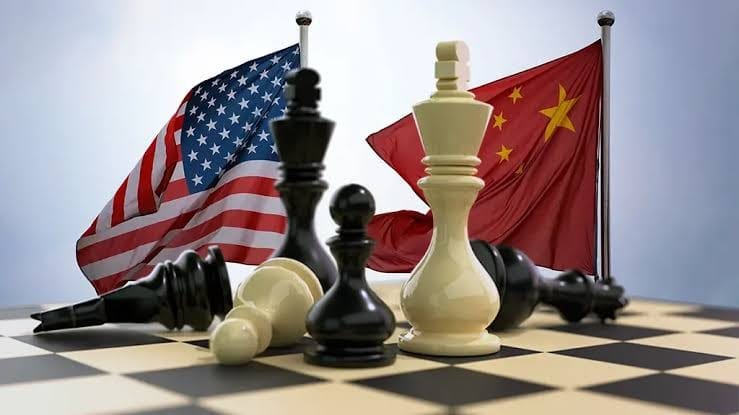
Introduction: A New Era of Global Power Competition
The international political system is undergoing a profound transformation. For decades, the United States has occupied a leading position in global politics, economics, military affairs, and technological innovation. However, the rapid rise of China has challenged this established order and introduced a new phase of strategic competition. The relationship between Washington and Beijing has consequently become one of the most significant forces shaping international relations in the twenty-first century.
The rivalry between the United States and China extends far beyond trade disputes or disagreements between political leaders. It encompasses military security, technological development, economic influence, international institutions, ideological differences, and the struggle to shape global rules. Both countries seek to protect their national interests, strengthen their strategic positions, and influence the direction of the emerging international order.
This competition is frequently described as the New Cold War. The expression reflects similarities with the twentieth-century confrontation between the United States and the Soviet Union, particularly the competition for strategic influence, military preparedness, technological superiority, and international alliances. Nevertheless, the contemporary rivalry has distinctive characteristics. Unlike the United States and the Soviet Union during much of the original Cold War, the United States and China remain deeply connected through international trade, investment, manufacturing, and technological supply chains.
The relationship is therefore defined by a complicated combination of confrontation and interdependence. Washington regards China’s growing capabilities as a challenge to its strategic position, while Beijing increasingly seeks recognition as a major global power with the right to shape international affairs. Both governments describe their policies as necessary for national security, yet measures intended to strengthen one country’s position can increase insecurity in the other.
Recent developments illustrate this contradiction. In September 2026, US President Donald Trump and Chinese President Xi Jinping met in Washington amid continuing disagreements over trade, artificial intelligence, Taiwan, and critical minerals. Their discussions helped extend a temporary trade truce, but major strategic disagreements remained unresolved. In October, China proposed additional export controls covering advanced technologies, including artificial intelligence and semiconductor-related capabilities, demonstrating that technological competition remains central to the relationship. [1][2]
These developments raise an important question: Is the world entering a prolonged period of confrontation between two competing superpowers, or can the United States and China establish a stable relationship despite their differences?
Understanding this rivalry requires examining its historical origins, economic foundations, technological dimensions, military implications, ideological disagreements, and consequences for other countries. It also requires recognizing that the future of global power will not necessarily be determined by one country defeating the other. Instead, it may depend on whether both powers can manage their competition without undermining international stability.
1. Understanding the Concept of the New Cold War
The term Cold War originally described the prolonged confrontation between the United States and the Soviet Union following the Second World War. Although the two superpowers generally avoided direct, full-scale war against each other, they competed through military alliances, nuclear deterrence, ideological campaigns, intelligence operations, economic assistance, technological achievements, and conflicts involving other countries.
The original Cold War ended with the dissolution of the Soviet Union in 1991. The United States subsequently enjoyed a period of exceptional international influence, while economic globalization expanded and China became increasingly integrated into the world economy.
The rise of China has changed this environment. Its expanding economic capabilities, advanced manufacturing industries, technological ambitions, and growing military resources have challenged assumptions about the permanence of American predominance.
The term New Cold War captures several similarities between the two periods:
- Strategic competition: Both Washington and Beijing seek to preserve or expand their international influence.
- Military deterrence: Each country is concerned about the other’s military capabilities and regional ambitions.
- Technological rivalry: Both governments recognize that leadership in strategic technologies can influence national security and economic power.
- Political differences: Their contrasting political systems contribute to mutual distrust.
- Competition for international partnerships: Both countries seek diplomatic, economic, and security relationships with other states.
However, important differences distinguish the current situation from the earlier confrontation.
The Soviet Union and the United States maintained relatively separate economic systems. By contrast, the American and Chinese economies have developed extensive connections through trade, investment, manufacturing, finance, and international production networks. Even when governments impose restrictions, companies and consumers continue to depend on international markets.
China also occupies a different position in the global economy from that once held by the Soviet Union. It is a central manufacturing power, an important trading partner for numerous countries, and a major participant in global supply chains. Its economic influence extends well beyond military alliances or ideological partnerships.
Consequently, the New Cold War is not simply a contest between two isolated blocs. It is a struggle occurring within an interconnected international system.
The expression also requires caution. Describing every disagreement as a Cold War can exaggerate hostility and obscure areas where cooperation remains possible. Climate change, public health, financial stability, nuclear risk reduction, and international trade require communication even when strategic competition intensifies.
A more precise description may therefore be strategic rivalry under conditions of economic interdependence. This formulation recognizes the seriousness of the competition without assuming that direct conflict or complete economic separation is inevitable.
2. Historical Background: How the US–China Rivalry Developed
2.1 The early relationship and the Cold War era
The modern relationship between the United States and China developed against the background of the Chinese Communist Revolution of 1949. The establishment of the People’s Republic of China created a major political divide between Beijing and Washington, particularly after the Korean War began in 1950.
For much of the following two decades, the relationship remained hostile. The United States supported the Republic of China government on Taiwan, while the People’s Republic of China maintained its own political and strategic position. Diplomatic isolation, ideological disagreements, and regional security concerns limited direct engagement.
However, international politics changed during the late 1960s and early 1970s. Relations between China and the Soviet Union deteriorated, creating an opportunity for Washington and Beijing to reconsider their strategic interests.
US President Richard Nixon’s visit to China in 1972 represented a major diplomatic breakthrough. The two countries began moving toward a more pragmatic relationship, partly because both saw strategic advantages in reducing their isolation from one another.
The United States formally established diplomatic relations with the People’s Republic of China in January 1979. This development created the foundations for expanded economic, political, and cultural engagement.
2.2 Economic engagement and China’s transformation
China introduced major economic reforms beginning in 1978 under Deng Xiaoping. These reforms gradually expanded market mechanisms, encouraged foreign investment, promoted exports, and opened parts of the Chinese economy to international competition.
Over the following decades, China became an increasingly important manufacturing center. International companies invested in Chinese production facilities, while Chinese firms gained experience, infrastructure, technology, and access to overseas markets.
The United States supported China’s integration into the international economic system, although policymakers differed over the long-term political implications. Many believed that economic engagement could encourage modernization, increase prosperity, and create incentives for China to participate constructively in international institutions.
China joined the World Trade Organization in 2001, further deepening its involvement in global commerce.
The consequences were significant. China became an essential supplier of manufactured goods, while American consumers and companies benefited from access to Chinese production and markets. The relationship also encouraged the development of complex supply chains connecting China with the United States and other economies.
Nevertheless, economic integration did not eliminate political disagreements. Questions about market access, industrial subsidies, intellectual property, labor practices, human rights, and the role of the state in economic decision-making remained controversial.
Over time, these unresolved differences contributed to a growing debate in Washington about whether engagement alone could adequately address the strategic implications of China’s rise.
2.3 From engagement to strategic competition
By the 2010s, China’s economic and military capabilities had expanded considerably. Beijing increasingly emphasized national rejuvenation, technological self-reliance, regional influence, and a stronger role in international institutions.
The United States, meanwhile, became more concerned about the implications of China’s growing power for the Indo-Pacific region and the broader international system.
Trade disputes intensified during Donald Trump’s first presidential administration, when Washington imposed tariffs on numerous Chinese goods and Beijing introduced retaliatory measures. The disagreement exposed deeper concerns about industrial policy, trade imbalances, technological competition, and economic dependence.
Subsequent American administrations maintained many elements of a more competitive approach toward China, particularly in areas involving advanced technology, military security, and strategic supply chains.
Competition also expanded beyond tariffs. Semiconductor restrictions, investment screening, industrial subsidies, restrictions on sensitive technology transfers, and efforts to diversify supply chains became important instruments of national policy.
The relationship therefore moved from an emphasis on economic engagement toward a combination of engagement, competition, and selective restrictions.
2.4 The rivalry in 2026
The year 2026 illustrates the contradictory nature of US–China relations. Diplomatic engagement has continued, but the underlying competition remains intense.
The September meeting between Trump and Xi in Washington produced a temporary extension of the existing trade truce, allowing negotiations to continue. However, the agreement did not resolve fundamental disagreements over technology, critical minerals, trade policy, and Taiwan. [1][3]
China’s October proposal to expand export controls covering advanced artificial intelligence and semiconductor-related technologies further demonstrated the importance of technological sovereignty in the rivalry. The proposed measures reflect Beijing’s interest in controlling the overseas transfer of strategically sensitive capabilities while responding to restrictions affecting Chinese access to advanced foreign technologies. [2]
These developments reveal an important pattern: diplomacy can reduce immediate tensions without eliminating the strategic competition that produces them.
The rivalry is no longer confined to trade negotiations or military positioning. It now involves the technologies, industrial capabilities, resources, and institutions that will influence global power over the coming decades.
3. Economic Rivalry: The Battle for Global Economic Leadership
Economic power is one of the most important foundations of international influence. A country with a large, productive, and technologically advanced economy can finance military capabilities, support research, influence international markets, and provide economic opportunities to other states.
The United States and China possess different but complementary economic strengths. Their competition is therefore not simply about which country produces more goods or exports more products. It concerns who controls strategically important industries, attracts investment, sets technological standards, and influences the rules governing international commerce.
3.1 Trade wars and tariffs
Tariffs have become one of the most visible instruments of the US–China rivalry.
A tariff is a tax imposed on imported goods. Governments may use tariffs to protect domestic industries, generate revenue, respond to foreign trade practices, or negotiate better commercial terms.
In the US–China relationship, tariffs have served both economic and strategic purposes. Washington has sought to address concerns about market access, industrial competition, and China’s economic policies. Beijing has responded with its own measures and has sought to protect its industries and negotiating position.
However, tariffs impose costs on more than the country against which they are directed.
Importers may pay higher prices for goods and components. Businesses may face uncertainty when planning production or investment. Consumers may encounter higher prices, while manufacturers that depend on imported materials can experience increased costs.
Retaliatory measures can also affect farmers, exporters, and companies operating in both markets.
The broader consequence is uncertainty. Businesses need predictable conditions to make long-term decisions about factories, hiring, research, and supply chains. Frequent changes in trade policy can discourage investment even when tariffs are eventually reduced.
The September 2026 trade truce illustrates the importance of negotiations. The agreement created additional time for both governments to discuss unresolved issues, but a temporary pause does not guarantee a durable settlement. [1][3]
Tariffs may provide bargaining leverage, but they cannot independently resolve disagreements about industrial policy, national security, intellectual property, or the future distribution of economic power.
3.2 Manufacturing and industrial competition
China’s manufacturing strength is central to its international influence. Its industrial ecosystem includes electronics, machinery, consumer products, batteries, electric vehicles, solar equipment, and numerous intermediate goods used by manufacturers worldwide.
The importance of manufacturing extends beyond the value of finished products. A country that possesses extensive production networks can benefit from skilled labor, specialized suppliers, efficient logistics, infrastructure, and accumulated industrial knowledge.
These advantages are difficult to reproduce quickly.
The United States maintains major strengths in research, advanced services, finance, aerospace, software, biotechnology, and other high-value industries. However, concerns about dependence on overseas production have encouraged renewed efforts to strengthen domestic manufacturing in selected sectors.
American industrial policies have increasingly emphasized semiconductors, energy technologies, critical infrastructure, and defense-related production. Similar efforts to secure strategic industries can be observed in other major economies.
China’s approach emphasizes industrial development, technological upgrading, and reduced dependence on foreign suppliers in sensitive sectors.
The competition is consequently becoming a contest between industrial ecosystems rather than simply individual companies.
Neither country can easily dominate every stage of global production. Advanced manufacturing depends on specialized equipment, research institutions, skilled workers, raw materials, financing, and international partnerships. A country’s ability to coordinate these elements may be as important as the size of its domestic market.
3.3 Supply-chain diversification and economic security
The COVID-19 pandemic, geopolitical tensions, shipping disruptions, and trade restrictions exposed vulnerabilities in international supply chains.
Companies discovered that relying heavily on a limited number of suppliers could create serious problems when factories closed, transport routes were interrupted, or governments restricted exports.
The United States and its partners have responded by encouraging supply-chain diversification. Businesses may establish additional production facilities in countries such as Vietnam, India, Mexico, or other manufacturing centers to reduce dependence on a single location.
This approach is sometimes described as China plus one. It does not necessarily mean that companies abandon China completely. Instead, they develop alternative production options while retaining access to the Chinese market and supplier network.
China has also pursued greater self-reliance in strategically important industries.
However, diversification has limits. Building new factories requires investment, trained workers, reliable infrastructure, supplier networks, and time. Some products remain difficult to manufacture competitively outside established industrial centers.
Complete economic separation would therefore be expensive and disruptive.
The more likely outcome is selective de-risking: reducing dependence in sensitive sectors while preserving mutually beneficial commercial relationships elsewhere.
This distinction matters because economic security and economic isolation are not the same thing. A country can improve resilience by developing alternative suppliers without eliminating international trade.
3.4 Critical minerals and resource dependence
Critical minerals have become important instruments of geopolitical influence because they are essential to advanced manufacturing, clean energy, electronics, defense systems, and digital infrastructure.
Rare earth elements and other strategically important materials are used in products such as electric motors, wind turbines, batteries, specialized electronics, and certain military technologies.
China has developed significant capabilities in several stages of mineral processing and related industrial supply chains. This position can provide leverage when export restrictions affect industries that depend on Chinese materials or components.
The United States and other countries are therefore seeking to diversify mineral supplies, develop domestic processing capacity, establish partnerships with resource-producing states, and improve recycling.
Yet creating alternative supply chains is complicated. Mining projects require investment, environmental approvals, infrastructure, technical expertise, and stable markets. Processing capacity also takes time to develop.
Resource-producing countries may gain opportunities from this competition, but they can also face pressure to choose commercial or strategic partners.
Critical minerals demonstrate how economic interdependence can become a source of geopolitical leverage. They also illustrate why the competition is unlikely to be resolved through tariffs alone.
3.5 Finance, the dollar, and China’s economic influence
The international financial system is another arena of strategic competition.
The US dollar plays a central role in international payments, financial markets, commodity trading, and foreign-exchange reserves. This position provides the United States with substantial influence over global finance.
China has sought to expand the international use of the renminbi, improve cross-border payment infrastructure, and strengthen financial relationships with trading partners.
These efforts reflect Beijing’s desire to reduce certain vulnerabilities associated with dependence on financial systems dominated by the United States.
However, replacing an established international currency is difficult. Global financial participants consider liquidity, convertibility, legal predictability, market depth, capital mobility, and confidence in institutions when choosing where to hold assets.
China’s expanding economic role does not automatically mean that the renminbi will replace the dollar as the leading international currency.
A more plausible possibility is gradual diversification in selected transactions, particularly where countries seek to reduce currency risk or develop alternative payment channels.
Financial competition also has consequences for developing countries. Changes in global interest rates, commodity prices, capital flows, and trade policy can affect debt-servicing costs and economic stability.
For these countries, the challenge is to benefit from relations with both powers while avoiding excessive exposure to geopolitical pressure.
4. The Technology Race: Artificial Intelligence, Semiconductors, and Innovation
Technology has become one of the defining dimensions of the New Cold War. Modern economic growth, military capability, intelligence gathering, and industrial productivity increasingly depend on digital systems and advanced computing.
Artificial intelligence, semiconductor manufacturing, quantum research, telecommunications, robotics, and biotechnology are therefore not merely commercial industries. They are also considered strategically important assets.
4.1 Why semiconductors matter
Semiconductors, commonly known as chips, are essential components of modern technology. They are used in smartphones, computers, vehicles, industrial equipment, communication systems, data centers, and military platforms.
Advanced chips are particularly important for artificial intelligence because training and operating powerful AI systems can require substantial computing resources.
The semiconductor industry is highly specialized. Designing a chip, manufacturing it, producing the equipment used in fabrication, and supplying the materials required for production involve different areas of expertise.
These activities are distributed across several economies. The United States possesses important chip-design capabilities and advanced technology companies. Taiwan is a major center for contract semiconductor manufacturing, while South Korea, Japan, the Netherlands, and other economies contribute important technologies, equipment, and materials.
China is a major semiconductor market and has invested heavily in developing domestic capabilities.
This international division of labor creates both efficiency and vulnerability. Cooperation allows companies to benefit from specialization, but restrictions imposed by one government can affect production across several countries.
4.2 American export controls and technological restrictions
The United States has used export controls to restrict China’s access to selected advanced technologies, particularly technologies that American policymakers consider relevant to military modernization or national security.
Such restrictions can cover advanced computing chips, semiconductor-manufacturing equipment, software, technical expertise, and certain technology transfers.
The stated objective is to limit access to capabilities that could strengthen China’s military or other strategically sensitive systems.
Supporters argue that unrestricted access to the most advanced technologies could create security risks. They also contend that export controls can preserve advantages in industries where technological leadership has military implications.
Critics, however, warn that extensive restrictions may encourage China to develop alternatives more rapidly. They may also reduce revenue for affected companies, complicate international research, and create incentives for technological separation.
The effectiveness of export controls depends on several factors: the importance of the restricted technology, the availability of substitutes, the ability to enforce the rules, and the speed at which competing industries innovate.
Restrictions can delay technological progress, but they do not necessarily prevent it permanently.
4.3 China’s pursuit of technological self-reliance
China has made technological self-reliance a major strategic objective. The government has supported domestic research, semiconductor development, artificial intelligence, advanced manufacturing, and other priority industries.
This strategy reflects both economic ambitions and security concerns. Dependence on foreign suppliers can become a vulnerability when access is restricted during a geopolitical dispute.
Domestic innovation can reduce that vulnerability, strengthen industrial competitiveness, and create opportunities for Chinese firms to expand internationally.
China’s advantages include a large domestic market, a substantial manufacturing base, extensive engineering capacity, and significant investment in research and industrial development.
Nevertheless, technological self-reliance is not achieved simply by announcing national objectives or increasing funding. Advanced industries require highly specialized expertise, reliable equipment, research collaboration, capital, and years of accumulated experience.
Progress can vary considerably between sectors. A country may be highly competitive in electric vehicles or batteries while remaining dependent on foreign capabilities in particular semiconductor technologies.
The most useful way to assess China’s progress is therefore to examine individual industries rather than assume either inevitable technological dominance or permanent technological weakness.
4.4 Artificial intelligence and the struggle for leadership
Artificial intelligence has emerged as a central element of global competition because it can improve productivity, accelerate scientific research, support military applications, and transform public services.
The United States has a strong position in several areas of AI research and commercialization, including advanced computing infrastructure, major technology companies, venture investment, and leading research institutions.
China has developed a substantial AI ecosystem of its own, supported by domestic technology firms, universities, industrial demand, and a large market for digital services.
The two countries do not necessarily pursue identical approaches. Competition involves advanced AI models, computing hardware, industrial applications, research talent, data access, and the ability to deploy technology at scale.
The October 2026 proposal by China to impose additional export controls on selected AI and related technologies illustrates how AI has become part of national technology policy. The proposed framework includes controls affecting certain advanced models, AI agents, and semiconductor-related capabilities, while distinguishing among different types of technology transfers. [2]
The development also demonstrates that technology restrictions are no longer a one-directional instrument. Governments on both sides increasingly treat strategic technological capabilities as assets that require protection.
AI competition raises questions beyond national security. Countries must consider data protection, misinformation, intellectual property, labor-market changes, algorithmic accountability, and the concentration of technological power.
If technological rivalry prevents international cooperation on safety standards, the consequences may extend far beyond the two competing powers.
4.5 Digital standards and technological ecosystems
Global power is also influenced by the standards that govern communication networks, software, digital payments, data exchange, and industrial systems.
When a country or group of companies establishes widely adopted standards, it can influence how products are designed, how businesses interact, and which technologies become commercially successful.
The United States and China compete for influence in telecommunications, digital infrastructure, AI applications, and other emerging technological fields.
Countries selecting technology suppliers must consider costs, technical performance, cybersecurity, maintenance, compatibility, and political relationships.
A decision to adopt one technological ecosystem can create long-term dependence because replacing infrastructure later may be expensive.
Nevertheless, countries do not always make exclusive choices. They may use technologies from multiple suppliers or adopt different standards in different sectors.
The future may therefore involve competing technological ecosystems alongside continuing cooperation where compatibility and economic efficiency remain important.
5. Military Competition and the Indo-Pacific Region
Military power remains a fundamental element of the US–China rivalry. Although economic and technological competition attracts considerable attention, the possibility of military confrontation continues to influence strategic planning in both countries.
The Indo-Pacific is particularly important because it contains major trade routes, critical maritime passages, important manufacturing centers, and several unresolved territorial and security disputes.
5.1 China’s military modernization
China has invested in modernizing its armed forces, including naval capabilities, missile systems, air power, space-related systems, cyber capabilities, and command infrastructure.
These investments reflect Beijing’s objective of strengthening national defense and increasing its ability to operate in its surrounding regions.
China also seeks to deter foreign military intervention in situations it considers central to its sovereignty or security.
From Beijing’s perspective, stronger military capabilities can reduce vulnerability and improve its ability to defend national interests.
From Washington’s perspective, the same developments may complicate American military operations, threaten allies, and alter the regional balance of power.
This difference in interpretation contributes to a security dilemma: measures taken by one side for defensive purposes can be perceived by the other as preparation for offensive action.
The result may be additional military investment, expanded exercises, and greater uncertainty about the intentions of both countries.
5.2 The United States and its regional alliances
The United States maintains important security relationships in the Indo-Pacific, including alliances with Japan, South Korea, Australia, and the Philippines, alongside its longstanding security partnership with Taiwan.
These relationships support intelligence sharing, military cooperation, deterrence, and regional access.
Washington argues that its regional presence helps preserve stability and discourage unilateral changes to the status quo.
China, however, frequently views American alliances and military deployments near its territory as attempts to constrain its strategic development.
This disagreement is not simply a matter of military hardware. It reflects competing views about regional order.
The United States emphasizes the security of its partners and the continuation of a regional system in which states can resist coercion. China emphasizes its sovereignty claims, security interests, and opposition to what it describes as containment.
Regional governments may share some American security concerns while also maintaining extensive economic relations with China.
Their decisions are therefore influenced by domestic politics, geography, economic dependence, historical experience, and perceptions of risk.
5.3 The danger of military miscalculation
One of the most serious risks in the rivalry is that an incident could escalate beyond the intentions of the governments involved.
Military aircraft may operate near contested areas. Naval vessels may encounter one another in crowded waters. Exercises, surveillance operations, and demonstrations of military capability can be interpreted differently by opposing sides.
A collision, miscommunication, or disputed encounter could produce political pressure for a stronger response.
If communication channels are weak or leaders believe that backing down would damage their credibility, a limited incident could become a wider crisis.
Reducing this risk requires functioning military communication mechanisms, agreed procedures for encounters, crisis-management arrangements, and a willingness to clarify intentions.
Such measures do not eliminate strategic disagreement. They help prevent disagreement from becoming an accidental conflict.
5.4 Nuclear deterrence and strategic stability
Both countries possess nuclear weapons, making escalation especially dangerous.
Nuclear deterrence rests on the expectation that the threat of unacceptable retaliation will discourage a state from launching a nuclear attack.
However, deterrence does not eliminate uncertainty. Leaders may misjudge an opponent’s intentions, misunderstand military signals, or underestimate the consequences of a crisis.
Changes in missile capabilities, early-warning systems, cyber operations, and conventional military planning can complicate strategic calculations.
The integration of new technologies into military systems creates additional questions about decision-making speed and the reliability of information during emergencies.
Maintaining strategic stability therefore requires more than expanding military capabilities. It also requires communication, crisis management, risk-reduction measures, and a shared understanding of the consequences of escalation.
Even when broader political negotiations fail, limited agreements concerning military communication or nuclear risk reduction can serve important purposes.
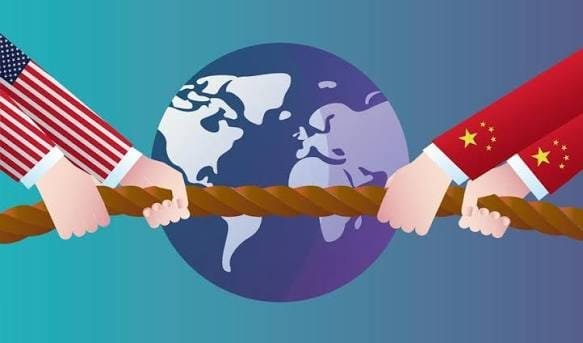
6. Taiwan: The Most Dangerous Flashpoint
Taiwan occupies a central position in the US–China rivalry because the dispute involves sovereignty, national identity, military security, international partnerships, and advanced technology.
The People’s Republic of China claims Taiwan as part of its territory and opposes formal Taiwanese independence. Taiwan, meanwhile, governs itself through its own political institutions and maintains a distinct democratic system.
The United States does not maintain formal diplomatic relations with Taiwan as a sovereign state, but it has longstanding unofficial relations with the island and provides support for its defensive capabilities under American law and policy.
This arrangement creates a complex strategic environment. Beijing objects to foreign military support for Taiwan, while Washington emphasizes the importance of peace and stability across the Taiwan Strait.
6.1 Why Taiwan matters to China
For the Chinese government, Taiwan is closely connected to sovereignty, territorial integrity, national identity, and the historical legacy of China’s civil war.
Beijing considers unification a core national objective and opposes moves that it interprets as formal separation.
Chinese leaders also view the island’s strategic location as significant for regional military security.
These considerations mean that Taiwan cannot be understood solely as an economic or technological issue. It is also deeply connected to the legitimacy of the Chinese government’s national objectives.
6.2 Why Taiwan matters to the United States
The United States considers peace in the Taiwan Strait important for regional stability, the security of its partners, and the credibility of its broader Indo-Pacific strategy.
American policymakers differ over the best way to deter conflict and manage the relationship with Beijing. Nevertheless, Taiwan remains a major consideration in US defense planning and diplomatic relations.
The issue is complicated by the fact that American and Taiwanese interests overlap without being identical in every respect.
Taiwan must consider its own security, democratic institutions, economy, and population. Washington must balance deterrence, diplomatic commitments, regional stability, and the risk of escalation with China.
6.3 The semiconductor dimension
Taiwan is also a major center of advanced semiconductor manufacturing. Its position in the global technology industry gives the island economic importance far beyond its geographic size.
A serious disruption to semiconductor production could affect electronics, automotive manufacturing, telecommunications, data centers, and other industries around the world.
The concentration of advanced manufacturing in Taiwan therefore creates a global economic vulnerability.
The United States and other economies have encouraged additional semiconductor investment outside Taiwan to improve resilience. However, building alternative manufacturing capacity requires significant investment, expertise, and time.
Diversification can reduce some risks, but it cannot immediately remove Taiwan’s importance from global supply chains.
6.4 Could the Taiwan Strait become the center of a wider conflict?
A military crisis involving Taiwan could draw in the United States and potentially other regional actors. It could also disrupt maritime trade, financial markets, investment, and semiconductor production.
The consequences would depend on the scale and duration of the crisis, the actions taken by the parties involved, and the ability of diplomatic channels to prevent further escalation.
No outcome is predetermined. Political decisions, deterrence, domestic pressures, military calculations, and diplomatic initiatives all influence the risks.
The most responsible approach is therefore neither to assume that conflict is inevitable nor to underestimate its potential consequences.
Preventing war requires maintaining communication, reducing incentives for unilateral escalation, strengthening crisis-management mechanisms, and recognizing that all parties would face substantial costs from a major conflict.
Recent diplomatic reporting following the September 2026 Trump–Xi summit has highlighted Taiwan as an unresolved issue within the broader effort to manage bilateral relations. [4]
7. Ideological Competition: Democracy, State Power, and Governance
The US–China rivalry also involves different political systems and competing interpretations of effective governance.
The United States is a constitutional republic with competitive elections, a system of separated powers, and legal protections for individual rights. China is governed by the Chinese Communist Party, which maintains a centralized political system and exercises extensive control over national political institutions.
These differences influence domestic policy and international perceptions.
American political leaders often frame competition with China in terms of democracy, individual freedoms, and the defense of an international order based on rules.
Chinese officials frequently emphasize sovereignty, political stability, economic development, and the principle that countries should determine their own political systems without external interference.
These narratives shape diplomatic relationships and public debate.
7.1 Competing ideas about development
China’s economic transformation has encouraged debate about the relationship between political institutions and economic development.
Supporters of China’s model point to its industrial expansion, infrastructure investment, poverty reduction, and ability to coordinate large-scale development priorities.
Critics highlight political restrictions, limited political competition, censorship, and concerns about individual freedoms and accountability.
The American model also faces criticism, including political polarization, inequality, policy instability, and the influence of money in politics.
A balanced analysis should distinguish measurable economic outcomes from broader questions about political rights, social welfare, and institutional accountability.
Neither economic growth nor technological advancement alone establishes the overall superiority of a political system.
Countries differ in their histories, institutions, demographic conditions, resources, and social priorities. Their experiences cannot always be transferred directly to other societies.
7.2 The role of ideology in international relations
Ideological differences can intensify strategic competition because governments may interpret the success of another political system as a challenge to their own legitimacy.
However, ideology does not explain every policy decision.
Governments also respond to security threats, economic interests, domestic pressures, resource constraints, and opportunities for cooperation.
The United States and China have cooperated in areas where their interests overlap, despite profound political differences.
Their ability to continue doing so will depend partly on whether they can separate practical international problems from broader ideological disagreements.
7.3 Human rights and diplomatic tensions
Human rights issues remain an important source of disagreement between Washington and Beijing.
American officials and human rights organizations have raised concerns about political freedoms, surveillance, minority rights, and restrictions on civil society in China.
The Chinese government rejects many external criticisms as interference in domestic affairs and emphasizes sovereignty and stability.
These disagreements can affect sanctions, visa policies, diplomatic exchanges, trade decisions, and international cooperation.
They also influence how third countries perceive the competing powers.
Nevertheless, human rights discussions are often complicated by differing political priorities and concerns about the selective application of international principles.
For a stable international system, human rights debates need credible evidence, consistent standards, and diplomatic engagement that does not abandon fundamental protections.
8. The Global South and the Contest for International Influence
The US–China rivalry is not confined to North America and East Asia. Its consequences extend across Africa, Latin America, the Middle East, South Asia, and other regions commonly grouped under the term Global South.
Many developing countries have significant reasons to maintain relationships with both powers. They may seek Chinese infrastructure investment, American technology, access to international markets, security partnerships, development finance, or educational opportunities.
Their foreign policies are often shaped by national interests rather than a desire to join one geopolitical bloc.
8.1 China’s infrastructure and development partnerships
China has expanded its international economic presence through trade, infrastructure projects, industrial investment, and development partnerships.
Its overseas engagement has included roads, ports, railways, energy facilities, telecommunications networks, and industrial zones.
Such projects can improve connectivity, support economic activity, and help address infrastructure shortages.
However, their benefits depend on project selection, financing terms, implementation quality, environmental effects, debt sustainability, and the capacity of local institutions.
Some projects generate significant economic opportunities, while others face delays, financial difficulties, or questions about long-term returns.
It is therefore inaccurate to describe every Chinese project as either a development success or a deliberate geopolitical trap. Each project requires an examination of its actual costs, benefits, contractual arrangements, and local consequences.
8.2 American economic, diplomatic, and security influence
The United States maintains influence through its financial system, international institutions, universities, technology companies, development programs, private investment, and security partnerships.
Access to the American market and financial networks can be important for developing economies. American research institutions and technology companies also contribute to education, innovation, and digital infrastructure.
However, countries may criticize American policies when sanctions, export restrictions, or security demands appear to conflict with their economic interests.
Developing countries may also question whether international institutions adequately reflect changes in the distribution of global economic power.
Such concerns can create opportunities for China and other emerging powers to expand their diplomatic relationships.
8.3 Strategic autonomy instead of choosing sides
For many governments, the most attractive approach is strategic autonomy: maintaining the ability to make foreign-policy decisions according to national interests rather than external pressure.
This may involve cooperation with China on infrastructure, the United States on education or technology, and other partners on trade, energy, or security.
However, strategic autonomy becomes more difficult when competition produces conflicting standards, investment restrictions, sanctions, or security demands.
Governments must then evaluate the long-term consequences of their choices.
Developing diversified trade relationships, strengthening domestic institutions, improving financial resilience, and investing in local skills can help countries reduce vulnerability to external pressure.
The Global South should not be treated as a single political bloc. Countries differ in their security concerns, economic structures, political systems, and diplomatic traditions.
Their choices will influence whether the international system becomes divided into rigid camps or remains a network of overlapping partnerships.
9. Pakistan Between the United States and China
Pakistan provides an important example of how a regional country can be affected by competition between major powers.
Its geography, security concerns, economic needs, and longstanding relationships with both China and the United States make the rivalry particularly relevant to its foreign policy.
Pakistan and China maintain a close strategic partnership involving diplomatic cooperation, defense relations, trade, and infrastructure development. The China–Pakistan Economic Corridor, commonly known as CPEC, has been a major component of their economic relationship.
At the same time, the United States remains relevant to Pakistan through trade, financial institutions, education, diplomacy, regional security, and people-to-people connections.
Pakistan therefore has strong reasons to avoid unnecessary confrontation between its partners.
9.1 CPEC and regional connectivity
CPEC forms part of China’s broader Belt and Road Initiative. Its projects have included transport infrastructure, energy development, and efforts to improve connectivity between Pakistan and China.
Supporters argue that better infrastructure can reduce transport costs, support industrial activity, improve energy availability, and create opportunities for trade.
However, the long-term success of these projects depends on their economic returns, financing arrangements, security conditions, maintenance, and integration with domestic industry.
Infrastructure alone cannot guarantee sustained growth. Pakistan also needs improvements in education, workforce skills, regulatory stability, export competitiveness, and industrial productivity.
If connectivity projects are linked with productive domestic businesses, they can generate broader economic benefits. If they remain disconnected from local industrial development, their impact may be more limited.
9.2 The importance of balanced diplomacy
Pakistan can benefit from maintaining constructive relations with both Washington and Beijing.
China is important to Pakistan’s infrastructure development and strategic partnership. The United States remains a major economic and diplomatic actor whose policies can affect international finance, trade, and regional security.
A balanced approach does not require treating both relationships as identical. It requires identifying areas of cooperation, understanding the limits of each partnership, and avoiding commitments that unnecessarily reduce diplomatic flexibility.
Pakistan can also strengthen relations with Gulf countries, Central Asian states, the European Union, and other regional partners.
Diversification is particularly important in economic policy. A broader range of trading partners, investors, and export markets can reduce exposure to geopolitical uncertainty.
9.3 Economic strength as the foundation of foreign policy
Foreign-policy independence is difficult to sustain without economic resilience.
Countries with narrow export bases, high debt burdens, weak productivity, and limited foreign-exchange reserves may have less flexibility when external conditions deteriorate.
For Pakistan, strengthening domestic industry, expanding exports, improving tax collection, investing in human capital, and encouraging stable private investment can improve its ability to navigate international competition.
Education and technology deserve particular attention. Skills in software, engineering, digital services, manufacturing, and scientific research can help Pakistan participate more effectively in international production networks.
Rather than viewing the US–China rivalry only as a threat, Pakistan can identify opportunities to attract investment, expand exports, develop technological capabilities, and improve regional connectivity.
The central objective should be to ensure that geopolitical partnerships contribute to sustainable national development.
10. The Impact on Global Trade and Ordinary People
The US–China rivalry may appear to be a matter of diplomacy, military planning, and corporate strategy. However, its consequences can reach households, workers, students, and small businesses around the world.
10.1 Prices and the cost of living
Tariffs and export restrictions can increase the cost of imported products and industrial components.
When businesses face higher input costs, they may pass some of those costs on to consumers. The final impact depends on competition, exchange rates, supplier alternatives, and the ability of companies to absorb additional expenses.
Products such as electronics, vehicles, machinery, household goods, and certain industrial materials can be affected by changes in trade policy.
The relationship is not automatic: tariffs do not always produce the same price increases in every market. However, prolonged uncertainty can complicate pricing decisions and reduce efficiency.
10.2 Jobs and industrial relocation
Trade competition can create opportunities for some workers while threatening others.
Industries that receive investment because of supply-chain diversification may expand employment. Businesses that lose access to markets or face higher production costs may reduce hiring or move operations.
The distribution of these effects depends on workers’ skills, regional economic conditions, education systems, and government policies.
Countries that invest in workforce training and infrastructure may be better positioned to attract new industrial activity.
However, manufacturing relocation does not guarantee broad prosperity. The quality of jobs, local supply-chain development, environmental standards, and opportunities for domestic firms also matter.
10.3 Innovation and consumer choice
Competition can encourage innovation by motivating companies to improve products, reduce costs, and develop new technologies.
However, excessive fragmentation can reduce the benefits of international research and specialization.
If companies must develop separate products for different technological ecosystems, costs may increase and smaller firms may struggle to compete.
Consumers may also face fewer choices when governments restrict access to selected products or services.
The challenge is to protect legitimate national security interests without unnecessarily restricting ordinary commercial activity.
10.4 Education and international research
Universities and research institutions benefit from international cooperation, academic exchanges, and access to diverse scientific expertise.
Security concerns may justify scrutiny of sensitive research partnerships, particularly where technologies have potential military applications.
However, overly broad restrictions can discourage talented researchers, reduce collaboration, and weaken scientific progress.
A balanced approach should protect legitimate security interests while maintaining transparent procedures and opportunities for peaceful research.
10.5 Digital services and information access
Technological competition can affect social media platforms, cloud services, telecommunications, digital payments, and other online services.
Different regulatory systems may produce different rules for data storage, privacy, cybersecurity, and cross-border information flows.
These differences can influence which services are available in a country and how businesses operate internationally.
For ordinary users, the consequences may involve cost, privacy, reliability, and access to information.
International cooperation on cybersecurity and digital standards can help reduce risks without requiring every country to adopt identical domestic policies.
11. The Role of International Institutions
The US–China rivalry also raises questions about the future of global governance.
International institutions were developed to facilitate cooperation, establish common rules, resolve disputes, and address problems that individual countries cannot manage effectively alone.
However, these institutions face difficulties when major powers disagree over their priorities, authority, or distribution of influence.
11.1 The United Nations and great-power competition
The United Nations provides a framework for international diplomacy, humanitarian coordination, development, and collective security.
The Security Council includes five permanent members with veto power: China, France, Russia, the United Kingdom, and the United States.
The veto system gives major powers a special role in international security decisions, but it can also prevent action when permanent members disagree.
US–China competition can therefore complicate responses to international crises, particularly when either government believes that a proposed resolution threatens its strategic interests.
Nevertheless, the United Nations remains important for humanitarian assistance, public health, development, peacekeeping, and diplomatic engagement.
Its effectiveness depends partly on the willingness of member states to cooperate despite political differences.
11.2 The World Trade Organization
The World Trade Organization provides a framework for international trade rules and dispute settlement.
Trade tensions between major economies place pressure on this system because unilateral tariffs, export restrictions, industrial subsidies, and national security exceptions can challenge established expectations.
When major powers increasingly rely on unilateral measures, smaller economies may find it more difficult to defend their interests.
A functioning multilateral system can help reduce uncertainty by providing common rules and procedures for resolving disagreements.
Reforming international trade institutions may be necessary to address contemporary challenges, including digital commerce, industrial subsidies, supply-chain resilience, and the relationship between trade and national security.
11.3 Reforming global governance
Many countries argue that international institutions should better reflect the economic and political realities of the twenty-first century.
Emerging economies seek greater representation in decision-making, while established powers remain concerned about preserving institutional effectiveness and existing commitments.
Reform is difficult because changes to voting rights, representation, and authority can redistribute influence.
However, institutions that fail to adapt risk losing legitimacy and effectiveness.
The US–China rivalry makes institutional reform more complicated, but it also demonstrates why international cooperation remains necessary.
Neither power can independently resolve climate change, global pandemics, financial instability, or every threat to international peace.
12. Climate Change and Global Cooperation
Climate change is an important test of whether the United States and China can cooperate despite strategic competition.
Both countries are major participants in the global economy and important actors in energy production, industrial development, and technological innovation.
Their domestic policies can influence emissions, clean-energy investment, manufacturing costs, and international climate negotiations.
12.1 Competition in clean-energy technology
China has developed extensive manufacturing capabilities in several clean-energy industries, including solar panels, batteries, and electric vehicles.
The United States has important research institutions, technology companies, financial markets, and domestic investment initiatives supporting energy innovation.
Competition can accelerate technological progress and reduce costs by encouraging companies to improve efficiency.
However, trade restrictions and industrial disputes can also make clean-energy equipment more expensive or limit access to important technologies.
The climate consequences of such policies depend on whether they ultimately strengthen innovation and deployment or slow the transition toward lower-emission energy systems.
12.2 The need for practical cooperation
Climate change requires international action because greenhouse-gas emissions cross national borders and contribute to shared environmental risks.
Cooperation may involve emissions measurement, scientific research, clean-energy innovation, methane reduction, climate finance, and adaptation planning.
The United States and China may disagree about the distribution of responsibilities and the use of industrial subsidies. Nevertheless, practical cooperation can benefit both countries.
For developing economies, affordable clean-energy technology is particularly important. High costs and limited access to finance can slow the transition to more sustainable energy systems.
A prolonged geopolitical confrontation that prevents useful climate cooperation could impose costs on countries that have limited resources to adapt to environmental change.
Climate diplomacy therefore offers an opportunity to separate shared global interests from areas of direct strategic competition.
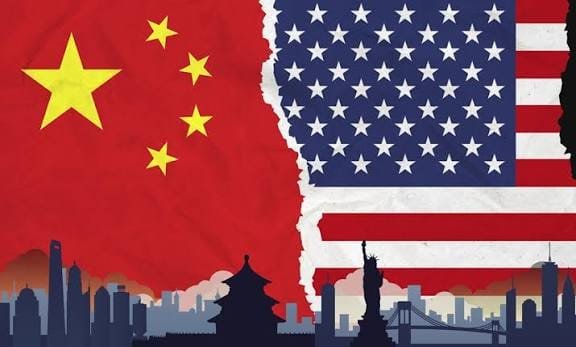
13. The Information War: Media, Narratives, and Public Opinion
Modern geopolitical competition is not fought exclusively through trade measures, diplomatic negotiations, or military capabilities. Information and public opinion also influence international power.
Governments use official statements, diplomatic messaging, international media, public diplomacy, and digital communication to explain their policies and influence how audiences understand global events.
13.1 Competing narratives
American political discourse often portrays China’s rise as a challenge to regional stability, economic fairness, technological security, or democratic values.
Chinese official discourse frequently presents American policies as attempts to contain China’s development, restrict its technological progress, or preserve American dominance.
These narratives influence public opinion and help governments justify their policies.
However, neither country’s official interpretation should automatically be treated as a complete account of the rivalry.
A reliable assessment requires examining evidence, identifying the interests involved, distinguishing claims from verified facts, and considering alternative explanations.
13.2 Social media and information security
Digital platforms allow information to spread rapidly across national borders.
This creates opportunities for public communication and international engagement, but it also creates vulnerabilities involving misinformation, manipulated content, cyber operations, and coordinated influence campaigns.
Artificial intelligence adds another dimension because it can generate realistic text, images, audio, and video at scale.
Governments and technology companies face the challenge of addressing harmful manipulation without unnecessarily restricting legitimate journalism, political debate, or freedom of expression.
Media literacy is therefore increasingly important. Readers need to evaluate sources, compare reporting, examine evidence, and recognize the difference between factual reporting and persuasive messaging.
13.3 Why independent journalism matters
Independent journalism can contribute to international understanding by examining official claims, reporting on local experiences, and providing context that may be absent from government statements.
However, journalism itself can become polarized when reporting relies on unverified claims or presents complex disputes as simple moral contests.
Responsible analysis should acknowledge uncertainty, avoid exaggerated predictions, and recognize the legitimate concerns of different societies without abandoning factual scrutiny.
In a period of strategic rivalry, accurate information is not merely a media concern. It is part of the infrastructure needed for informed public debate and responsible policymaking.
14. Is a Complete Economic Decoupling Possible?
One of the most important questions in the New Cold War is whether the United States and China can separate their economies.
Decoupling refers to a significant reduction or termination of economic connections between countries. In practice, the term can describe different levels of separation, from restrictions in specific technologies to much broader disruption of trade and investment.
Complete decoupling would be difficult because the two economies are connected through supply chains, consumer markets, financial relationships, research, and manufacturing.
14.1 The cost of separation
A sudden and comprehensive separation could increase costs for companies and consumers in both countries.
Businesses would need to identify alternative suppliers, establish new production facilities, change software and equipment, and potentially redesign products.
Some industries could adapt more easily than others. However, replacing complex manufacturing networks requires more than finding a different supplier.
The process could also affect third countries that provide components, raw materials, transport services, or intermediate manufacturing.
14.2 Selective restrictions are more likely
Rather than completely separating their economies, both countries have incentives to restrict access to selected strategic technologies and reduce dependence in sensitive industries.
This approach allows governments to address security concerns while retaining the benefits of trade in less sensitive areas.
However, the boundary between strategic and ordinary commerce can change. Products originally developed for civilian use may have military applications, while technologies considered essential today may become less sensitive as alternatives emerge.
Businesses therefore face a more complicated regulatory environment.
14.3 The limits of economic interdependence
Economic connections can raise the cost of conflict, but they do not guarantee peace.
Governments may accept economic losses if they believe that national security, sovereignty, or political legitimacy is at stake.
Interdependence can also become a source of vulnerability when one country depends heavily on another for essential goods or technologies.
The challenge is to create relationships that are resilient enough to withstand political disagreements without making every commercial connection a potential instrument of coercion.
The most plausible future is not necessarily complete separation or unrestricted globalization. It is likely to involve a mixture of continued trade, strategic restrictions, diversification, and periodic negotiations.
15. Three Possible Futures for the US–China Rivalry
The future of the international system will depend partly on how Washington and Beijing manage their competition. Although predictions remain uncertain, three broad scenarios illustrate the possible directions of the relationship.
Scenario One: Managed strategic competition
In this scenario, the United States and China continue to compete but establish mechanisms that prevent disagreements from escalating into major crises.
They maintain restrictions in selected sensitive sectors while preserving trade in areas where mutual benefits remain substantial.
Diplomatic meetings, military communication, and economic negotiations help manage tensions.
Neither side abandons its long-term strategic objectives, but both recognize that uncontrolled confrontation would impose serious costs.
This outcome would not eliminate rivalry. Instead, it would make the relationship more predictable and reduce the risks of accidental escalation.
Managed competition would require political discipline, credible communication, and an understanding that temporary agreements do not resolve every underlying disagreement.
Scenario Two: Intensified geopolitical and technological blocs
In this scenario, strategic distrust increases and both powers impose broader restrictions on trade, investment, technology, and international cooperation.
Countries face greater pressure to align with particular technological systems or security partnerships.
Supply chains become more fragmented, international research becomes more restricted, and trade policy is increasingly shaped by geopolitical considerations.
Some industries may benefit from domestic investment or new production opportunities, but the overall system could become less efficient.
Smaller countries would face difficult choices when their economic interests conflict with the demands of major powers.
This scenario could also weaken international institutions if states increasingly rely on competing rules and separate economic networks.
Scenario Three: A major military crisis
The most dangerous scenario involves a military confrontation arising from a crisis in the Indo-Pacific, particularly around Taiwan or another contested area.
A confrontation could disrupt trade routes, damage infrastructure, affect semiconductor production, and create significant uncertainty in financial markets.
Depending on the scale of the conflict, it could involve additional regional actors and produce wider economic and humanitarian consequences.
The existence of nuclear weapons makes escalation particularly concerning.
However, a major conflict is not inevitable. Governments have strong reasons to avoid a war that could damage their economies, threaten their populations, and undermine their long-term objectives.
Diplomacy, deterrence, crisis communication, and careful political decision-making can reduce the likelihood of such an outcome.
The central challenge is to prevent competition from creating a situation in which leaders believe that military escalation is preferable to compromise.
16. What Could Determine the Future Balance of Power?
The future balance between the United States and China will not depend on one indicator alone.
Economic size, military spending, technological innovation, population trends, industrial capacity, financial influence, and international partnerships all contribute to national power.
16.1 Economic productivity
A large economy provides resources for research, infrastructure, defense, and public services. However, economic size is only part of the picture.
Productivity, income growth, financial stability, labor-force participation, and the efficient allocation of capital also matter.
A country that converts resources into innovation and productive investment may strengthen its international position more effectively than one that relies on scale alone.
16.2 Technological innovation
Leadership in advanced technologies can create economic advantages and improve national security.
However, innovation depends on education, research funding, entrepreneurship, skilled migration, access to capital, and cooperation between universities and industry.
Restricting international knowledge flows may protect certain technologies but can also limit scientific collaboration.
The long-term outcome will depend on how each country balances security concerns with the conditions required for innovation.
16.3 Demographic and social pressures
Population structure can influence economic growth, public spending, labor supply, and military recruitment.
Both countries face domestic challenges that may affect their long-term trajectories, although the nature and severity of those challenges differ.
Education, health, workforce participation, social policy, and productivity improvements can help mitigate demographic pressures.
16.4 International partnerships
No country operates in isolation. Alliances, trade relationships, research partnerships, and diplomatic credibility influence access to markets, technology, information, and security cooperation.
The United States benefits from its established alliances and extensive global partnerships. China benefits from its trade relationships, industrial networks, and growing engagement with many developing economies.
However, partners are not simply instruments of great-power policy. They possess their own interests and may resist pressure from either side.
The ability to build mutually beneficial relationships may prove as important as the ability to exercise economic or military pressure.
16.5 Domestic governance and resilience
Domestic institutions affect how countries respond to crises, allocate resources, manage disagreements, and implement long-term policies.
Political stability can support investment and planning, while excessive centralization or weak accountability can create policy risks.
Competitive political systems may offer mechanisms for correction and public scrutiny but can also experience polarization and short-term decision-making.
The relevant question is not simply which system appears stronger in theory. It is how effectively each country responds to real economic, technological, and social challenges.
17. What the International Community Should Do
The international community cannot eliminate competition between major powers, but it can reduce the risks associated with it.
Several practical measures could contribute to a more stable global environment.
First, strengthen diplomatic communication. Regular meetings between senior officials can clarify intentions and reduce the risk that a misunderstanding becomes a crisis.
Second, maintain military crisis-management mechanisms. Communication channels, agreed procedures for military encounters, and emergency contacts can help prevent incidents from escalating.
Third, establish clearer rules for strategic technology. Governments should explain export restrictions, licensing requirements, and security concerns as clearly as possible. Transparent rules can reduce uncertainty for businesses and research institutions.
Fourth, preserve cooperation on shared global challenges. Climate change, public health, financial stability, and nuclear risk reduction require international coordination, even when strategic disagreements persist.
Fifth, strengthen international institutions. Reforming trade and security institutions can help address concerns about representation, effectiveness, and the application of international rules.
Sixth, support economic resilience in developing countries. Diversified trade, stronger domestic institutions, improved infrastructure, and investment in education can reduce vulnerability to external pressure.
Seventh, protect the quality of public information. Independent journalism, scientific exchange, and media literacy can help societies evaluate geopolitical claims more carefully.
These measures do not require either Washington or Beijing to abandon its national interests. They require both countries to recognize that unmanaged rivalry can produce outcomes that harm their own populations as well as the wider world.
Conclusion: Competition Without Catastrophe
The New Cold War represents one of the defining challenges of contemporary international relations. The rivalry between the United States and China is reshaping economic policy, technological development, military strategy, international institutions, and the foreign policies of countries across the world.
The United States retains important advantages in advanced research, global finance, technology, and international partnerships. China possesses substantial strengths in manufacturing, industrial capacity, infrastructure development, and several strategically important technological sectors. Neither country’s position can be understood through a single measure of national power.
The rivalry is also more complicated than a traditional contest between isolated blocs. Deep economic connections create incentives for cooperation, while strategic distrust encourages restrictions and diversification. The result is a relationship in which competition and interdependence exist simultaneously.
Developments in 2026 illustrate this contradiction. Diplomatic meetings and a temporary trade truce have provided opportunities to manage disagreements, while new technology restrictions demonstrate that fundamental strategic concerns remain unresolved. [1][2]
For the rest of the world, the consequences will depend on how the two powers exercise their influence. A more fragmented international economy could increase costs, complicate technological development, and place pressure on smaller countries. A managed relationship, by contrast, could preserve opportunities for trade and cooperation while allowing both powers to protect legitimate security interests.
For Pakistan and other developing countries, the most practical response is to strengthen domestic economic capacity, diversify international partnerships, invest in human capital, and maintain diplomatic flexibility.
Ultimately, the future of global power does not have to be determined by a winner-takes-all confrontation. The United States and China may continue to compete for influence, but competition does not make cooperation impossible.
The central challenge of the twenty-first century is to build an international environment in which major powers can pursue their interests without turning every disagreement into a threat to global peace.
Whether the New Cold War becomes a prolonged period of manageable competition or a more dangerous era of confrontation will depend on the choices made by political leaders, the resilience of international institutions, and the willingness of countries to recognize their shared interests.
The world does not need the United States and China to agree on everything. It needs them to manage their disagreements responsibly.
Frequently Asked Questions (FAQs)
1. What is the New Cold War between the United States and China?
The New Cold War refers to the growing strategic rivalry between the United States and China over global influence, economic leadership, technological innovation, military security, and political power. Unlike the original Cold War between the United States and the Soviet Union, the two countries remain deeply connected through international trade and supply chains.
2. Why are the United States and China competing for global power?
The United States seeks to maintain its international leadership, protect its security interests, and preserve its technological advantages. China aims to strengthen its economic and military capabilities, achieve technological self-reliance, and expand its influence in international affairs. These competing objectives have increased strategic tensions between the two countries.
3. How does the US–China rivalry affect the global economy?
The rivalry affects international trade, tariffs, investment, supply chains, and access to advanced technologies. Trade restrictions can increase business costs and create market uncertainty, while competition may encourage investment in manufacturing, artificial intelligence, and other strategic industries.
4. What role does Taiwan play in US–China relations?
Taiwan is one of the most sensitive issues in US–China relations. China claims Taiwan as part of its territory, while Taiwan governs itself. The United States supports Taiwan’s defensive capabilities and opposes unilateral changes to the status quo. Taiwan’s importance in advanced semiconductor manufacturing also makes stability across the Taiwan Strait essential to the global economy.
5. How has technology intensified the New Cold War?
Technology has become a major area of competition, particularly in artificial intelligence, semiconductors, telecommunications, and cybersecurity. Both countries seek technological advantages because innovation can strengthen economic productivity, military capabilities, and national security.
6. Is the US–China trade war part of the New Cold War?
Yes. The trade war is an important component of the broader rivalry. Tariffs, export controls, investment restrictions, and industrial policies reflect disagreements over market access, economic security, technological leadership, and the role of government in the economy.
7. How does the US–China rivalry affect Pakistan?
Pakistan must balance its strategic partnership with China and its economic and diplomatic relations with the United States. The rivalry creates both opportunities and challenges in trade, investment, infrastructure development, and regional security. Maintaining balanced diplomacy and strengthening domestic economic capacity can help Pakistan protect its national interests.
8. What is the role of BRICS in the changing global power structure?
BRICS is a grouping of emerging and developing economies that seeks to strengthen cooperation in areas such as trade, development finance, and international governance. Its growing role reflects demands for greater representation of emerging economies in global institutions. However, BRICS members have different national interests and do not always share the same geopolitical objectives.
9. Could the New Cold War lead to a military conflict?
A military conflict is not inevitable, but tensions involving Taiwan, military deployments, and regional security create risks of miscalculation. Diplomatic engagement, military communication, nuclear deterrence, and crisis-management mechanisms can help reduce the possibility of escalation.
10. What is the difference between the original Cold War and the New Cold War?
The original Cold War was primarily a confrontation between the United States and the Soviet Union, involving ideological competition, military alliances, and largely separate economic systems. The New Cold War describes US–China strategic competition within a deeply interconnected global economy, where trade, technology, investment, and supply chains remain important despite political tensions.
11. Will China replace the United States as the world’s leading superpower?
China’s economic, technological, and military development has challenged American influence, but replacing the United States across every dimension of global power is not inevitable. The future balance will depend on economic productivity, innovation, military capabilities, international partnerships, and domestic resilience in both countries.
12. Can the United States and China cooperate despite their rivalry?
Yes. Despite strategic disagreements, both countries have shared interests in areas such as climate change, public health, financial stability, and nuclear risk reduction. Practical cooperation and sustained diplomacy can help manage competition and prevent disagreements from threatening international peace.
References and Further Reading
- Reuters, reporting on the September 2026 Trump–Xi summit and extension of the US–China trade truce. Five takeaways from Trump’s summit with Xi in Washington.
- Reuters, October 16, 2026. Beijing seeks tighter grip on AI exports amid US rivalry.
- Caixin Global, October 1, 2026. What’s in the China–US tariff truce, and what’s left unsettled.
- Reuters, October 7, 2026. Taiwan’s US envoy says ties robust after Trump–Xi summit.
- Council on Foreign Relations. The Contentious US–China Trade Relationship.
- International Monetary Fund. People’s Republic of China: 2025 Article IV Consultation, Country Report No. 26/044.
- US–China Economic and Security Review Commission. Trade Bulletins.
Editorial note: This article is an analytical overview of the US–China rivalry. For publication, verify evolving policy details and distinguish proposed measures from rules that have formally entered into force.


Amazing